
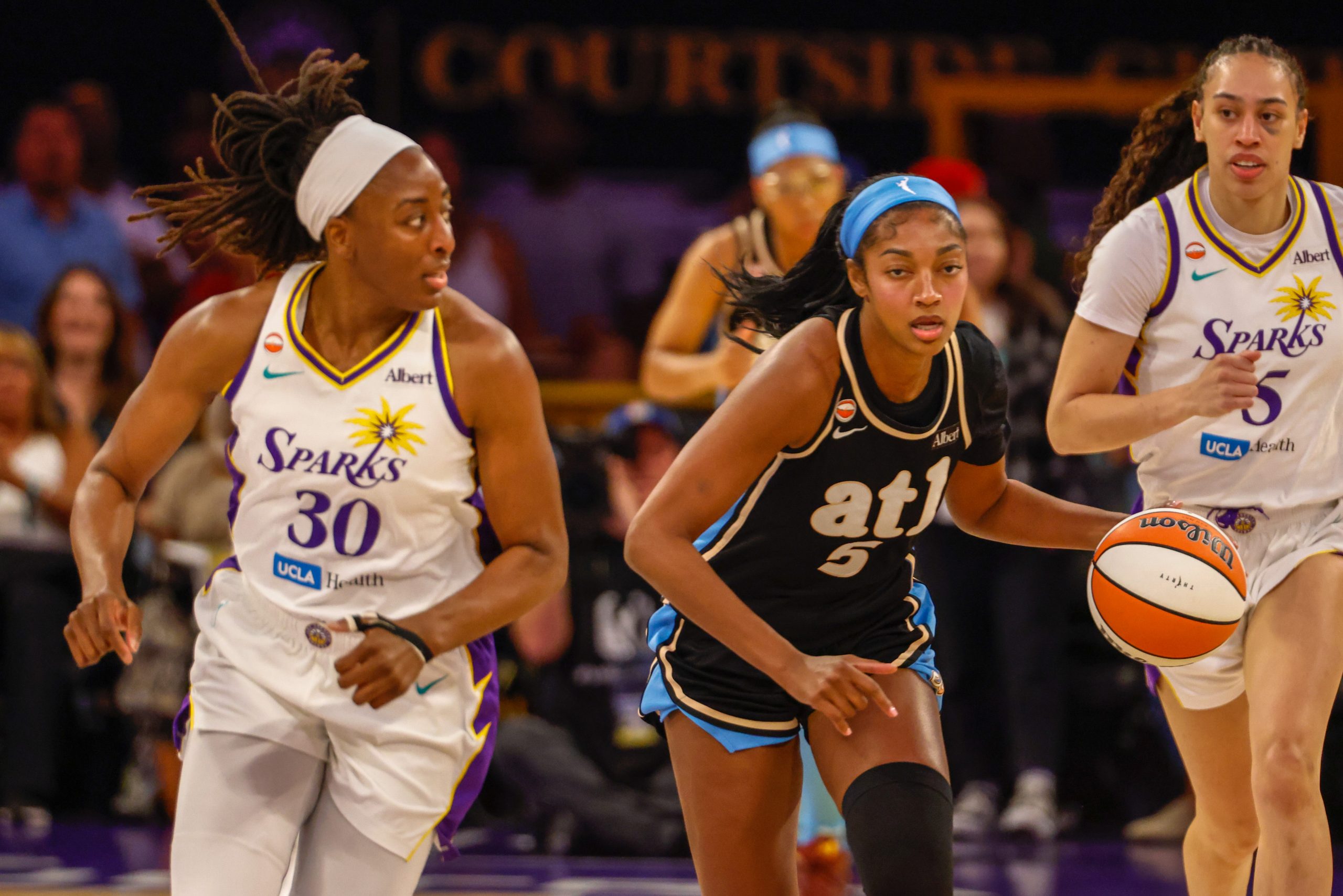
Los Angeles, CA – They’ve arrived loud and clear. The rise of women’s sports has gained significant momentum over the years but the sport of basketball and particularly the WNBA have soared to new heights. In 2026, we’ve seen a growing number of key changes that have become harbingers of what are now some of the most exciting times the league has ever seen.
The CBA:
It all begins with the league’s new collective bargaining agreement. The WNBA and the player’s association announced a seven year deal that will include increased player compensation that detail new average salaries that will exceed $580,000. Maximum and super maximum deals that will total over the millions of dollars range, and a new revenue sharing model that will see the players share 20% of the league’s earnings. Not to mention better working conditions and benefits. Previously teams would commonly have to utilize commercial flights for travel to games, now chartered flights have been mandated. The agreement also comes with premium child care, pregnancy protections and more.

The Talent Influx:
We all remember the greats. From Lisa Leslie, Sheryl Swoopes, and Rebecca Lobo to more recently, Sue Bird, Candace Parker, Diana Taurasi, and Elena Della Donne. The league has seen much of its growth through these hall of famers that have come and gone. However, the last few years in particular have seen the likes of new prospects with the level of talent to carry on the torch. Players from Caitlyn Clark, Paige Bueckers, and Angel Reese to Olivia Miles, Kiki Rice, and Flau’jae Johnson, look to take the league by storm not only on the court, but off the hardwood as well. And there’s no denying that the rise of social media has increased player popularity due to the world being able to follow their favorite athlete’s personal journey and activities. This has the unintended effect of making players more personable, leading to a larger fanbase of not only that player but the entire franchise at large.
Expansion:
Perhaps the biggest sign of growth is team expansion. Last season we saw the birth of the Golden State Valkyries, a team that quickly sold out every one of its home games at the Chase Center in 2025. The Valkyries became the most valuable team in the WNBA after just one year, already holding a valuation of nearly $1B. This year we also saw the inauguration of the Toronto Tempo and Portland Fire and by 2030 we’ll have three more teams added to the cities of Cleveland, Detroit and Philadelphia. More roster spots means less players and draft picks being waived and cut which can only be frustrating for everyone involved.

My Thoughts:
What’s important to remember is that the WNBA has only existed for about 30 years. That’s in comparison to the NBA which has been around for about 80, so I believe the league is looking at a very healthy rate of development. What’s promising in addition to everything above is that there’s even more talent waiting in the pipeline. Players such as Juju Watkins and Jazzy Davidson who are both smooth shooting, fluid guards out of USC and Hannah Hidalgo who is an elite two-way point guard from Notre Dame look to follow suit. All in all, I believe we’re looking at the beginning of a realizing vision that those who paved the way created and a vision that will only continue to evolve.


